
Care Guides
How to Maintain Your Car: The Complete Guide for 2024
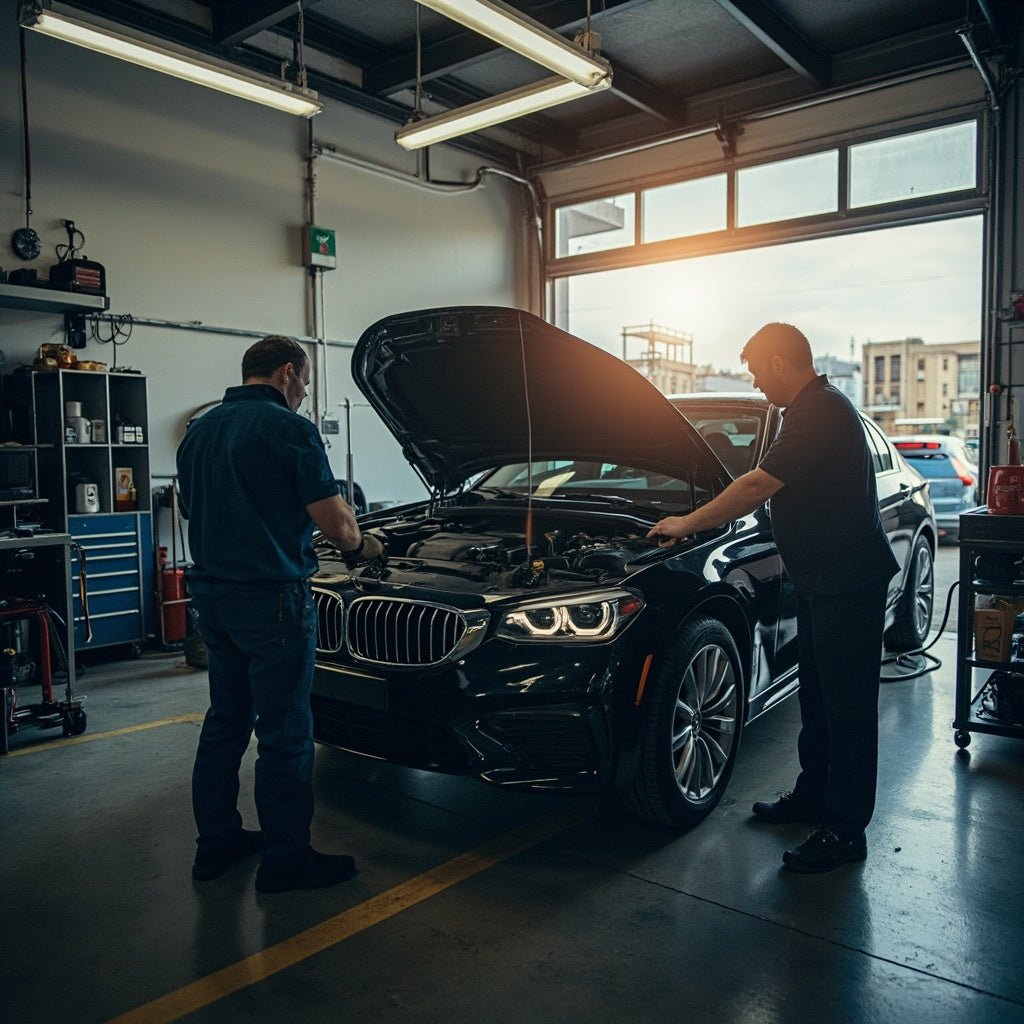
Why Regular Car Maintenance Matters
Your vehicle is one of the most significant investments you'll make. Proper car maintenance not only extends your vehicle's lifespan but also ensures safety, improves fuel efficiency, and prevents costly repairs down the road. In this comprehensive guide, we'll walk you through everything you need to know about keeping your car in peak condition.
Essential Car Maintenance Checklist
1. Regular Oil Changes
Engine oil is the lifeblood of your vehicle. Here's what you need to know:
- Frequency: Every 5,000-7,500 miles for conventional oil, 7,500-10,000 miles for synthetic
- Signs it's time: Dark, dirty oil or low oil level on the dipstick
- Cost savings: Regular oil changes prevent engine damage that can cost thousands
2. Tire Care and Maintenance
Your tires are the only contact between your car and the road. Proper maintenance includes:
- Tire pressure: Check monthly and before long trips (use the PSI recommended in your manual)
- Rotation: Every 5,000-8,000 miles to ensure even wear
- Alignment: Check annually or if you notice uneven wear or pulling
- Tread depth: Replace when tread wears below 2/32 inch
3. Brake System Inspection
Brake maintenance is critical for safety. Watch for these warning signs:
- Squealing or grinding noises when braking
- Vibration in the brake pedal
- Longer stopping distances
- Brake warning light on dashboard
4. Battery Maintenance
A dead battery can leave you stranded. Prevent issues by:
- Testing battery voltage annually after 3 years
- Cleaning corrosion from terminals
- Ensuring secure connections
- Replacing every 4-5 years as preventive maintenance
5. Fluid Level Checks
Beyond oil, your car relies on several essential fluids:
| Fluid | Check Interval | Signs of Issues |
|---|---|---|
| Coolant | Monthly | Overheating, leaks |
| Brake fluid | Monthly | Soft pedal, warning light |
| Transmission fluid | Monthly | Hard shifting, leaks |
| Power steering | Monthly | Difficulty steering |
| Windshield washer | As needed | Low visibility |
Seasonal Car Maintenance Tips
Spring Maintenance
- Check air conditioning performance before summer heat
- Inspect wiper blades for winter damage
- Check tire pressure (temperature changes affect PSI)
- Wash and wax to remove winter salt and grime
Summer Maintenance
- Monitor cooling system closely
- Check battery (heat accelerates wear)
- Inspect tires for heat damage
- Verify air conditioning efficiency
Fall Maintenance
- Check heating system before cold weather
- Inspect battery (cold weather is hard on batteries)
- Consider winter tires if in cold climate
- Replace wiper blades
Winter Maintenance
- Keep gas tank at least half full
- Check antifreeze levels
- Monitor tire pressure (drops 1 PSI per 10°F)
- Clean lights and windows for visibility
DIY vs. Professional Maintenance
What You Can Do Yourself
- Oil level checks and top-offs
- Tire pressure monitoring
- Air filter replacement
- Windshield wiper replacement
- Light bulb replacement
- Battery terminal cleaning
Leave These to Professionals
- Engine and transmission repairs
- Brake system service
- Electrical system diagnostics
- Air conditioning service
- Wheel alignment
- Suspension work
How to Create a Car Maintenance Schedule
Follow your vehicle's owner manual for manufacturer-recommended intervals. Generally:
- Monthly: Check tire pressure, oil level, lights, and washer fluid
- Quarterly: Check all fluid levels, tire tread, and wiper condition
- Every 6 months: Rotate tires, inspect brakes, check battery
- Annually: Full inspection, replace air filters, check alignment
Common Car Maintenance Mistakes to Avoid
- Ignoring warning lights: Dashboard alerts indicate issues needing attention
- Skipping oil changes: Leads to engine damage and costly repairs
- Neglecting tire pressure: Affects safety, fuel economy, and tire life
- Using wrong fluids: Always use manufacturer-recommended products
- DIY beyond your skill level: Some repairs require professional expertise
Cost-Benefit Analysis of Regular Maintenance
Regular maintenance might seem expensive, but consider the alternatives:
- Oil change: $50-100 vs. engine replacement: $4,000-10,000
- Tire rotation: $20-50 vs. premature tire replacement: $400-800
- Brake service: $150-300 vs. brake failure accident: Priceless
- Battery replacement: $100-200 vs. tow and emergency service: $150-300
Frequently Asked Questions About Car Maintenance
How often should I service my car?
Follow your owner's manual, but generally: oil changes every 5,000-10,000 miles, tire rotation every 5,000-8,000 miles, and comprehensive inspection annually.
Can I skip maintenance if my car seems fine?
No! Many issues develop gradually without obvious symptoms. Regular maintenance catches problems before they become serious.
What's the most important maintenance task?
Regular oil changes are crucial for engine longevity, but brake maintenance is most critical for safety.
How do I find a reliable mechanic?
Look for ASE certification, read reviews, ask for recommendations, and get a second opinion for major repairs.
Final Thoughts: Invest in Prevention
Regular car maintenance is an investment in your vehicle's longevity, your safety, and your wallet. By following the guidelines in this article, you'll enjoy reliable transportation for years to come while avoiding costly emergency repairs.
Remember: A well-maintained car is a safe car. Don't wait for problems to appear—stay ahead with preventive maintenance!